

A few years ago, buying an electric vehicle in India meant paying a premium and hoping the charging infrastructure would catch up. That gap has closed faster than most people expected. Today, you can pick up an electric scooter for less than the cost of a decent smartphone or a proper electric hatchback for roughly the price of a well-specced petrol sedan's top variant.
This shift matters most for the people who actually feel fuel prices in their monthly budget: students, first-time car buyers, daily commuters, delivery riders, and small business owners running errands across the city. If you've been wondering whether an affordable EV can genuinely replace your petrol vehicle without draining your savings, this guide breaks down the numbers honestly.
We'll walk through the cheapest electric vehicles in India across both cars and scooters, what you actually get at each price point, and where the compromises typically show up.
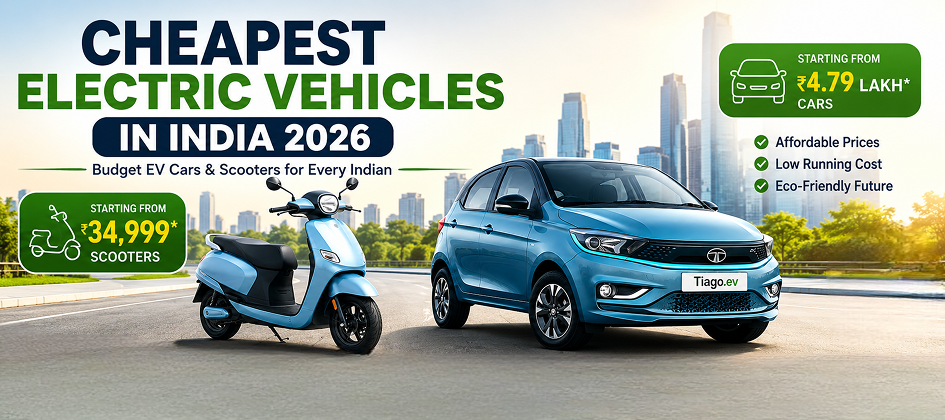
The cheapest electric car in India is the PMV EaS-E, starting around INR 4.79 lakh, though it's classified as a micro-mobility vehicle rather than a standard car. Among full-size hatchbacks, the Tata Tiago EV (from ~INR 5.84–6.99 lakh) leads. For scooters, the Komaki X-One starts at INR 34,999, making it India's most affordable electric scooter.
For a long time, "affordable EV" in India meant a compromise — short range, basic features, and patchy service support. That's changing for three concrete reasons.
Battery costs have dropped. Lithium-ion battery prices have fallen steadily over the past few years, and that saving gets passed on to buyers, especially in the entry-level segment.
Charging infrastructure has expanded. Public charging stations have grown meaningfully, and most budget EV owners now rely on simple home charging through a standard socket rather than searching for public chargers.
Running costs are dramatically lower. An electric scooter typically costs 15–20 paise per kilometre to run, compared to roughly Rs 3.50–4 for a petrol scooter covering the same distance. Over a year of daily commuting, that gap alone can cover a large chunk of your EMI.
None of this means every cheap EV is a great buy. It means the category has matured enough that "cheapest" no longer automatically means "worst".
PMV EaS-E: Starting from approximately INR 4.79 lakh ex-showroom, this is technically India's most affordable electric four-wheeler. It's built as a micro-mobility vehicle, best suited to short urban commutes under 80 km rather than highway use or long family trips.
Vayve Mobility Eva: Priced from around INR 3.25 lakh, the Eva is a compact solar-assisted city car designed for short hops rather than daily long-distance driving. It's a genuinely novel option if your commute is short and predictable.
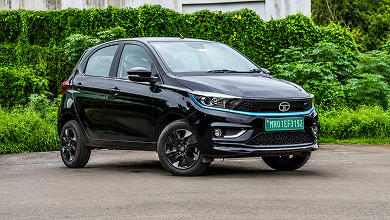
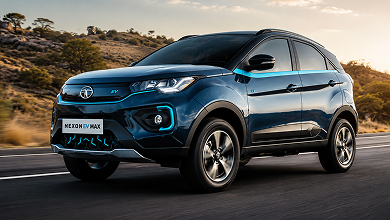
Tata Tiago EV: Widely considered the best all-round budget EV in India, priced from roughly INR 4.58–6.99 lakh depending on the variant. It offers two battery options: a 19.2 kWh pack with about 257 km of certified range, and a 24 kWh pack stretching to around 315 km. For most first-time EV buyers, this is the safest, most practical starting point.
MG Comet EV: Priced from around INR 6.31–7.50 lakh, the Comet is a compact city car built for tight urban parking and short commutes, with a distinctive, tech-forward cabin.
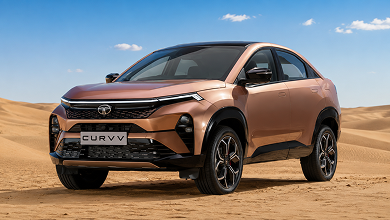
Tata Punch EV: Starting around INR 8.09–9.69 lakh, the Punch EV brings SUV styling, a 5-star Bharat NCAP safety rating, and a real-world range close to 300 km, making it a strong choice for buyers who want more presence than a hatchback offers.
Citroën eC3: Priced from roughly INR 8–9 lakh, the eC3 offers a 29.2 kWh battery and a certified range of around 320 km, positioning it as a genuine highway-capable option in the budget segment.
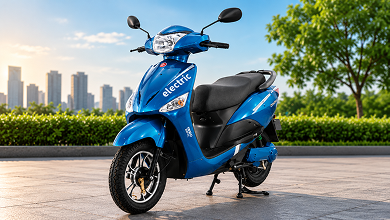
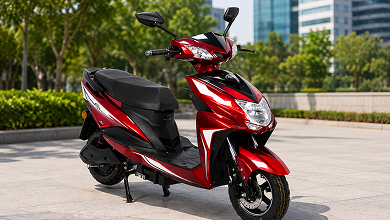
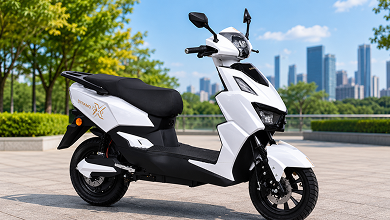
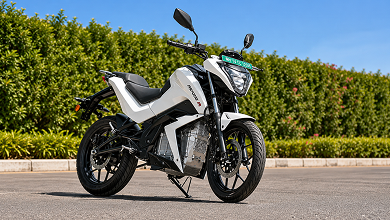
Two-wheelers remain the fastest and cheapest entry point into EV ownership in India, and the sub-INR 1 lakh segment has grown considerably.
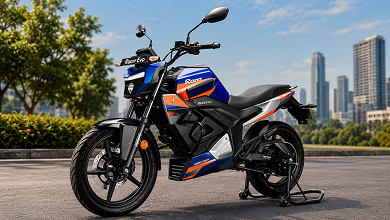
Komaki X-One: Priced from INR 34,999, this is currently India's most accessible performance-branded electric scooter, offering a 60–100 km range and a 45 km/h top speed. It suits short daily commutes under 20 km comfortably.
Lectrix SX25: Priced around INR 67,998, this sits in the mid-budget bracket for riders wanting slightly more range and features than entry-level models.
Hero Electric Photon: An 85 km range option positioned for practical, everyday city commuting at a budget-friendly price.
Ampere Magnus EX: Priced around INR 89,000, offering a balance of affordability and adequate daily range for short urban trips.
Bajaj Chetak (Urbane trim): Starting around INR 70,000–95,000, this brings Bajaj's metal-bodied build quality into the sub-₹1 lakh bracket, which matters if long-term durability is a priority.
The cheapest option on paper isn't always the cheapest option in practice. Here's what actually determines whether a budget EV works for you.
A Bengaluru-based college student switched from a shared petrol scooter to the Komaki X-One for a 15 km daily round trip to campus and reported spending under Rs 15 a day on charging, compared to roughly Rs 80–100 a day on petrol previously.
A Pune-based small business owner running local deliveries on a Tata Tiago EV found that the 315 km variant comfortably covered a full day of city errands on a single overnight home charge, cutting monthly fuel costs significantly compared to an equivalent petrol hatchback.
| Vehicle | Type | Price (Ex-showroom) | Range (Certified) | Best For |
|---|---|---|---|---|
| PMV EaS-E | Microcar | ~INR 4.79 lakh | Short urban range | Short city commutes |
| Tata Tiago EV | Hatchback | INR 5.84–6.99 lakh | 257–315 km | First-time EV car buyers |
| MG Comet EV | City Car | INR 6.31–7.50 lakh | City-focused range | Compact urban parking |
| Tata Punch EV | Compact SUV | INR 8.09–9.69 lakh | ~300–335 km | Families, SUV styling |
| Komaki X-One | Scooter | INR 34,999 | 60–100 km | Students, short commutes |
| Lectrix SX25 | Scooter | INR 67,998 | Mid-range | Budget daily commuters |
| Bajaj Chetak Urbane | Scooter | INR 70,000–95,000 | 55–85 km | Build quality seekers |
Prices are ex-showroom estimates and vary by state, city, and applicable subsidies. Confirm current on-road pricing with your local dealer before purchase.
The cheapest electric vehicles in India today aren't just cheap; many of them are genuinely usable daily drivers, provided you match the vehicle to your actual commute pattern. A student or short-distance commuter is well served by a sub-₹1 lakh scooter like the Komaki X-One, while a family or small business owner needing a proper car will find better long-term value in the Tata Tiago EV or Tata Punch EV, even at a slightly higher upfront cost. The real decision point isn't which vehicle is cheapest on the price tag; it's which one keeps your total cost of ownership lowest over the next three to five years.
1. What is the cheapest electric car in India right now?
The PMV EaS-E is the cheapest electric four-wheeler at around INR 4.79 lakh, though it's a micro-mobility vehicle. Among standard hatchbacks, the Tata Tiago EV, starting around INR5.84–6.99 lakh, is the cheapest full-size option.
2. What is the cheapest electric scooter in India?
The Komaki X-One, priced from INR 34,999, is currently among the most affordable electric scooters in India, offering a 60–100 km range.
3. Are cheap electric vehicles reliable for daily use?
Yes, provided you choose a model from a manufacturer with an established service network. Reliability depends more on brand support and battery quality than on price alone.
4. How much does it cost to charge an electric scooter or car at home?
Home charging typically costs between Rs 15–30 for a scooter and Rs 100–200 for a small electric car, depending on battery size and local electricity tariffs.
5. Do budget electric vehicles qualify for government subsidies?
Many do, under the FAME scheme and various state-level EV incentive policies, though eligibility and subsidy amounts vary by state and change periodically.
6. What is the real-world range of budget EVs compared to certified range?
Real-world range is typically 20–40% lower than ARAI-certified figures, depending on traffic conditions, AC usage, and rider or passenger load.
7. Is it better to buy a budget electric scooter or a budget electric car?
It depends on your commute. Short daily distances under 20–25 km are well served by scooters, while families or those carrying passengers regularly benefit more from an entry-level electric car.
8. How long do EV batteries in budget vehicles typically last?
Most manufacturers offer battery warranties covering 3–8 years or a specified kilometre limit, and batteries in budget EVs are generally rated for 1.5–1.6 lakh km of use under normal conditions.
9. Can I use a budget electric car for highway driving?
Higher-range variants like the Tata Tiago EV's 315 km pack or the Citroën eC3's 320 km range can handle moderate highway use, but entry-level micro-mobility vehicles are better suited to short city commutes.
10. What should first-time EV buyers check before purchasing?
Check real-world range for your typical commute, home or workplace charging feasibility, battery warranty terms, and the availability of an authorised service centre in your city.

Manage reminders, payment status, and renewal dates from one simple app.


Trusted by policyholders to track every renewal.

